


Client Feature: Whaley Farms and growing the family business
First Financial Bank proves to be a valuable resource for the Whaley family as they create a business legacy to pass on
Farming is often a family business, and Whaley Farms is no exception. With records dating back to the 1800s, the corn and soybean farm is now run by John Whaley with support from his wife, Brooke, and his sons, Brock and Blake. First Financial Bank and their agribusiness bankers have been a valuable resource for John as he seeks to create a business legacy he can proudly pass onto his sons.
The Problem
As a business, farming presents unique challenges: seasonality, changes in commodities, weather events, equipment maintenance and upgrades, etc. John remembers learning the business by farming alongside his great-grandfather, his grandfather, and his father. After John’s father passed away in 2002, John’s grandfather stayed with the business until he was 85 years old so he could make sure John was set up well to run it on his own.
When John stepped fully into his leadership role, he wanted a bank that understood the business. He knew the farm was outgrowing its local bank, so he began meeting with others. The goal was to find a bank that not only understood the industry, but who could share John’s vision of growth. A friend recommended First Financial Bank back in 2015, and after John’s first meeting with the Director of Food and Agribusiness, Jessica Lehman, he knew he’d found the right bank.
Banking with First Financial Bank
At the time of the transition, John was worried about the future of the farm. He describes thinking that the business was a sinking ship, while holding on to the knowledge that the farm had persevered through similar rough periods.
“Agriculture is hard,” admits John. “But we always know that if we can get through it, we’ll be okay. The day ten years ago, when I sat down with Jessica and she told me we would be just fine—not everyone is that patient.”
John’s inspiration has always been his family. He wants to provide the opportunity for his sons to step into a thriving business, if that’s the path they choose. He knew that the farm could have stayed a small farm, but with his hope of having something greater to offer his kids, John began leasing more acreage for the farm. This led to renting more equipment to manage the acreage, which led to renting more storage. Ultimately, the plan worked, and he was able to buy more land. This strategic growth incrementally led to doubling the farm’s asset platform in ten years.
“A farmer is asset rich and cash poor his entire life,” reflects John. “But if you know the value of what you have, that’s the positive.”
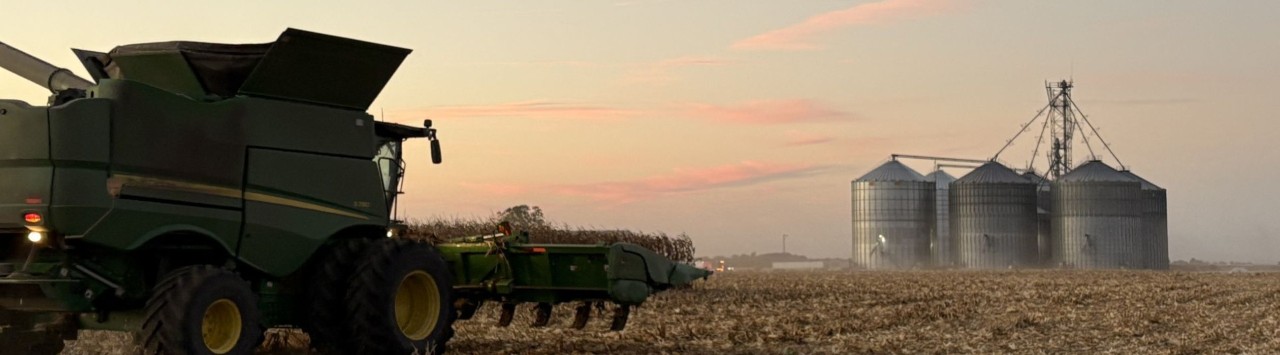
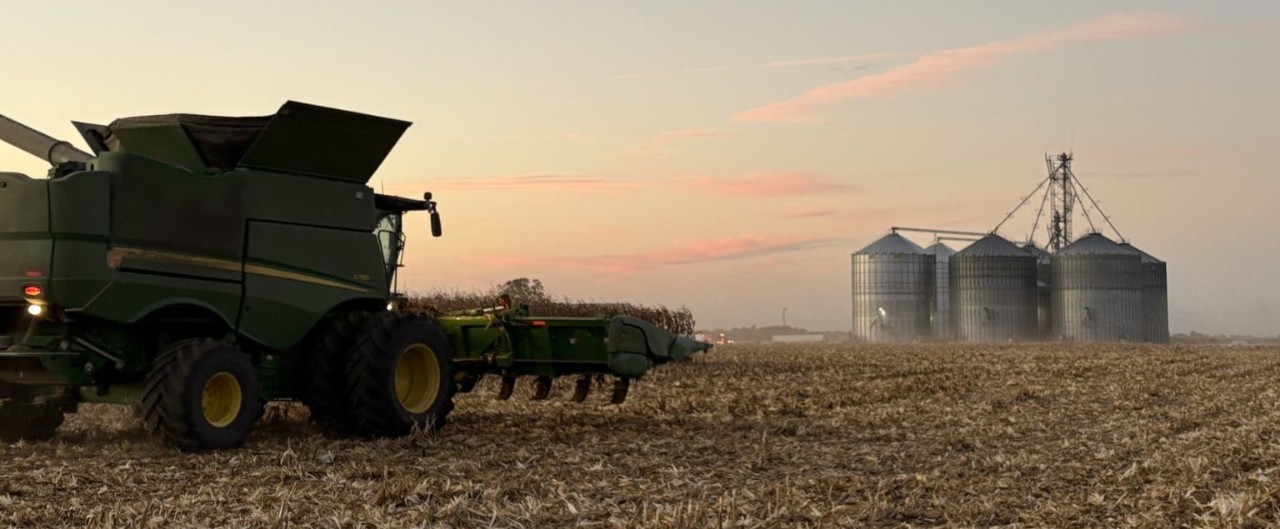
Having bankers who also understand the value is another asset John appreciates. He remembers when he wanted to build a grain setup, and another bank informed him that they couldn’t imagine the farm surviving that kind of investment.
“First Financial helped us make it happen, and five years later we have it and we’re still going,” declares John. “We’re still making payments, but we’re still going.”
Beyond the fiscal guidance and lending solutions, John is impressed by and grateful for the personal relationship that he has built with the First Financial team. He appreciates the way that they always ask about his family, they understand his goals to set up his sons for success, and they show up for him even when a deal isn’t on the table.
“Two years ago, we were a featured family farm at the State Fair,” reflects John. “Four people from First Financial came to celebrate that with us. That was awesome, and it says a lot about those individuals.”
It’s a true alignment of values and sharing of goals that brings such fruit to John’s labors. “Of course, one of my goals is longevity — in most businesses that’s the goal,” he says. “The fact that First Financial also cares and wants that longevity means a lot to me.”
